

Diesel Generator Fuel Testing That Keeps Backup Power Reliable.

Why Diesel Generator Fuel Testing Protects Your Standby Power
Standby generators are only as reliable as the fuel sitting in their tanks. A unit can pass every mechanical inspection and still fail to carry the load during an outage because the diesel it depends on has quietly broken down. This is why diesel generator fuel testing has become a core part of facility maintenance for hospitals, data centers, telecom sites, and municipal operations that cannot afford a failed start. Testing the fuel is far cheaper than discovering a problem when the lights go out.
Diesel is not a fill-it-and-forget-it commodity. Modern ultra-low-sulfur diesel contains biodiesel blends and additives that age, and the moment fuel enters a storage tank it begins to change. Routine testing gives facility managers an objective picture of fuel health long before degradation reaches a critical point, which is exactly what a structured diesel generator fuel testing program is built to deliver.
What Happens to Stored Diesel Over Time
Three problems dominate stored-fuel failures: water, particulate contamination, and microbial growth. Condensation forms inside tanks as temperatures cycle, and water collects at the bottom where it promotes corrosion and feeds microbes. Sediment and rust accumulate and plug filters at the worst possible moment. Then there is the so-called diesel bug, a community of bacteria and fungi that thrives at the fuel-water interface and produces slime that clogs lines and injectors. A thorough testing program is designed specifically to catch these conditions early.
Oxidation is the slower, invisible threat. As diesel oxidizes it forms gums and sediments, darkens in color, and loses combustion quality, and biodiesel-blended fuel is especially prone to this. Without periodic diesel generator fuel testing, oxidation can advance for years unnoticed until the fuel no longer meets ASTM D975 specification.
What a Complete Diesel Generator Fuel Testing Panel Includes
At Sterling Analytical Laboratory, diesel generator fuel testing follows recognized ASTM and EPA methods so the results are defensible and comparable over time. A representative panel typically covers:
- Water and sediment (ASTM D2709 / D1796) to detect free water and solids
- Karl Fischer water content (ASTM D6304) for dissolved moisture
- Particulate contamination (ASTM D6217) and ISO 4406 cleanliness coding
- Microbial contamination screening for the diesel bug
- Oxidation stability (ASTM D2274 / D7462) to gauge remaining shelf life
- Cetane index (ASTM D976 / D4737) for ignition quality
- Flash point (ASTM D93) and distillation profile (ASTM D86)
- Sulfur content (ASTM D5453) to confirm the fuel is on-spec
Each diesel generator fuel testing report compares your results against ASTM D975 limits and flags anything out of range in plain language, so you never have to interpret raw numbers on your own.
NFPA 110 and the Case for Annual Testing
For emergency and standby power systems, diesel generator fuel testing is not just good practice; it is referenced in the standards your facility is measured against. NFPA 110, the standard for emergency and standby power systems, calls for fuel to be tested at least annually using approved methods and maintained to acceptable quality. Insurers and auditors increasingly expect documentation showing a regular diesel generator fuel testing schedule.
Annual checks also create a baseline you can trend over time. One report tells you the fuel’s condition today; several years of diesel generator fuel testing reveal whether the fuel is stable or steadily declining, letting you plan polishing or replacement on your terms rather than during a crisis.
How the Testing Process Works
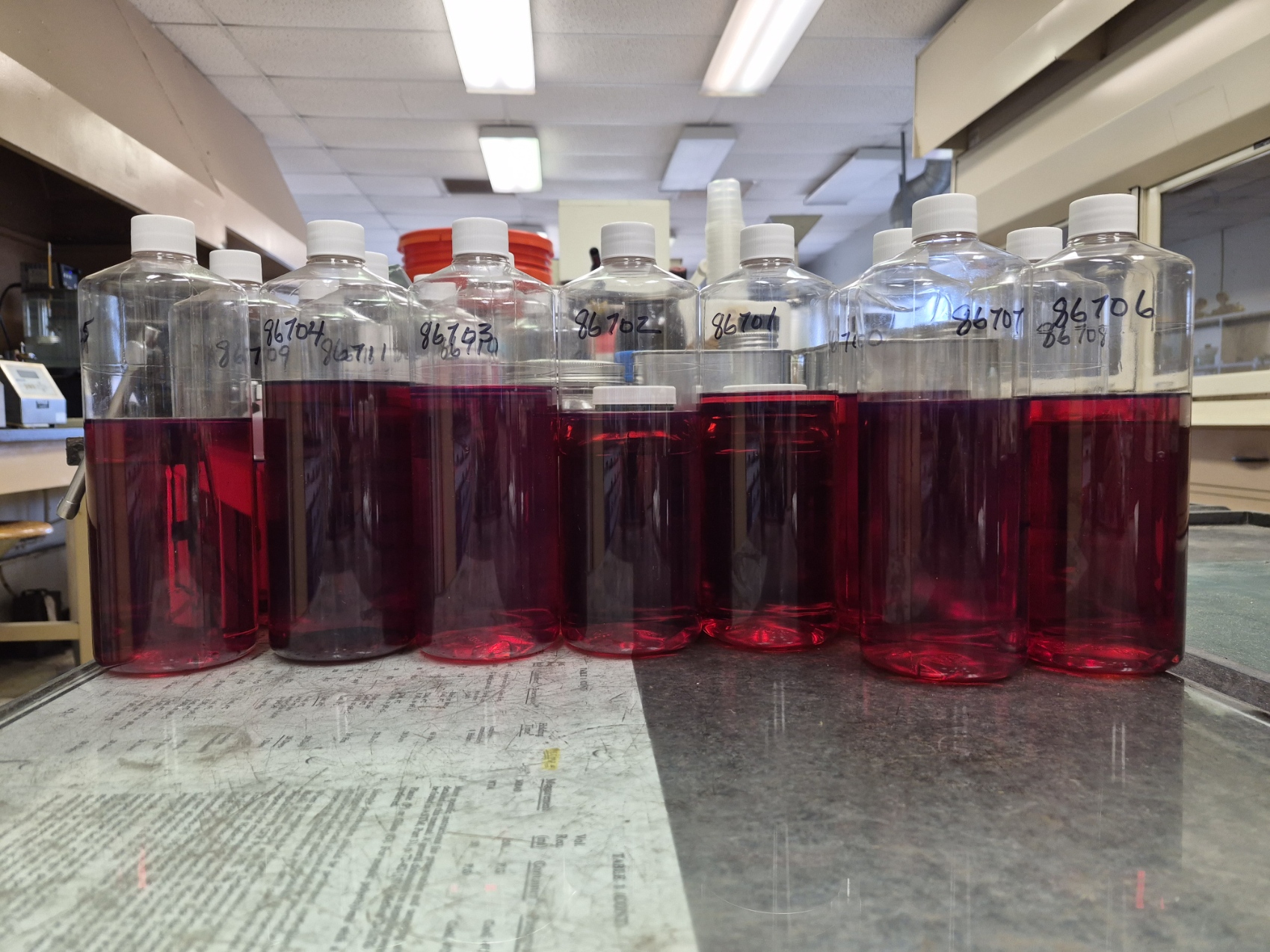
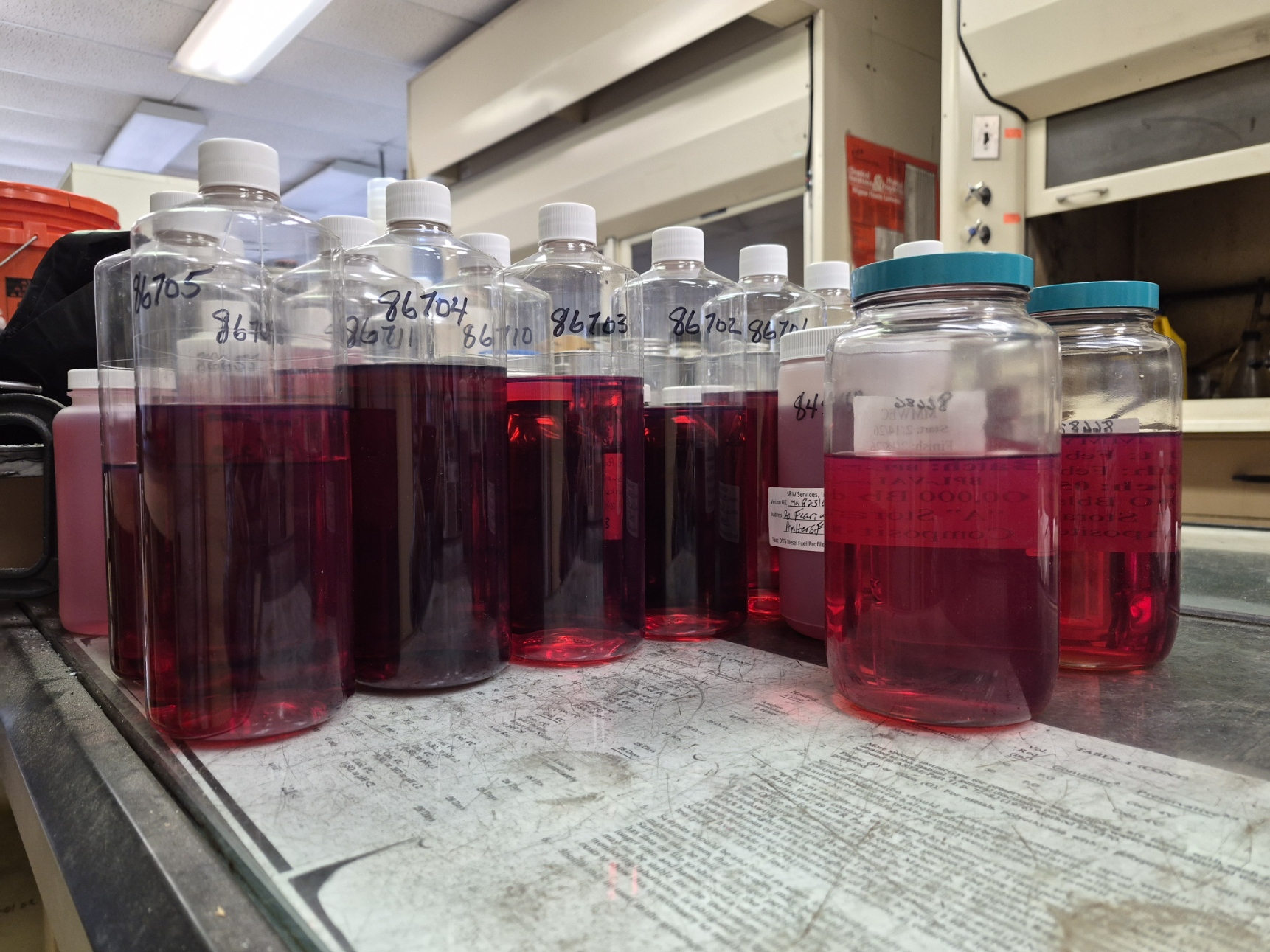
Getting started with diesel generator fuel testing is straightforward. A representative sample is drawn from the tank, ideally from the bottom where water and contaminants settle, and shipped to the laboratory in approved containers. Sterling Analytical provides sampling guidance so the results reflect the true condition of your stored fuel rather than an unrepresentative draw from the top.
Once received, samples are logged and analyzed by chemists who run each method to specification. Turnaround is prompt, and every diesel generator fuel testing report includes pass-or-fail results, the relevant ASTM limits, and a clear recommendation: continue monitoring, polish the fuel, treat it with a biocide or stabilizer, or replace it entirely.
Industries That Depend on Reliable Fuel
Any operation with backup power benefits from diesel generator fuel testing, but some cannot operate without it. Hospitals and healthcare campuses must keep life-safety systems running. Data centers measure downtime in lost revenue per minute. Telecom providers, water-treatment plants, airports, and financial institutions all rely on standby diesel that may sit untouched for months, and for these facilities diesel generator fuel testing is an inexpensive insurance policy against a very expensive failure. Fleet operators, marine users, and agricultural sites use it as well to verify deliveries and protect equipment from contaminated or off-spec fuel.
How Often Should You Test Generator Fuel?
At a minimum, stored fuel should be checked once a year, in line with NFPA 110 expectations. Tanks in humid climates, sites with large temperature swings, or fuel that has sat for more than twelve months may warrant shorter intervals. New deliveries are worth verifying on arrival too, since fuel can leave the terminal already carrying water or sediment. A short conversation about your tank size, location, and usage lets us recommend a sensible schedule rather than a one-size-fits-all rule.
Why Choose Sterling Analytical Laboratory
Sterling Analytical Laboratory has provided independent analytical testing since 1957 from West Springfield, Massachusetts. As an independent lab, our only interest in your fuel testing results is accuracy; we do not sell fuel, additives, or polishing services, so our reports stay unbiased. Clients receive clear documentation, responsive support, and methods grounded in ASTM and EPA standards.
Whether you manage a single standby unit or a portfolio of critical facilities, our fuel analysis helps you prove compliance, protect equipment, and trust that your generators will start. When an outage hits, the fuel in your tank is the last thing that should fail, and regular testing is how you make sure it will not. Contact Sterling Analytical Laboratory today to set up a diesel generator fuel testing program tailored to your facility.
Diesel, Generator & Stored Fuel Testing Services